
CALL US: (405) 392-5413
Address: 514 N. Main St, Newcastle, OK
Email: office@hmscomfort.com
Email: office@hmscomfort.com
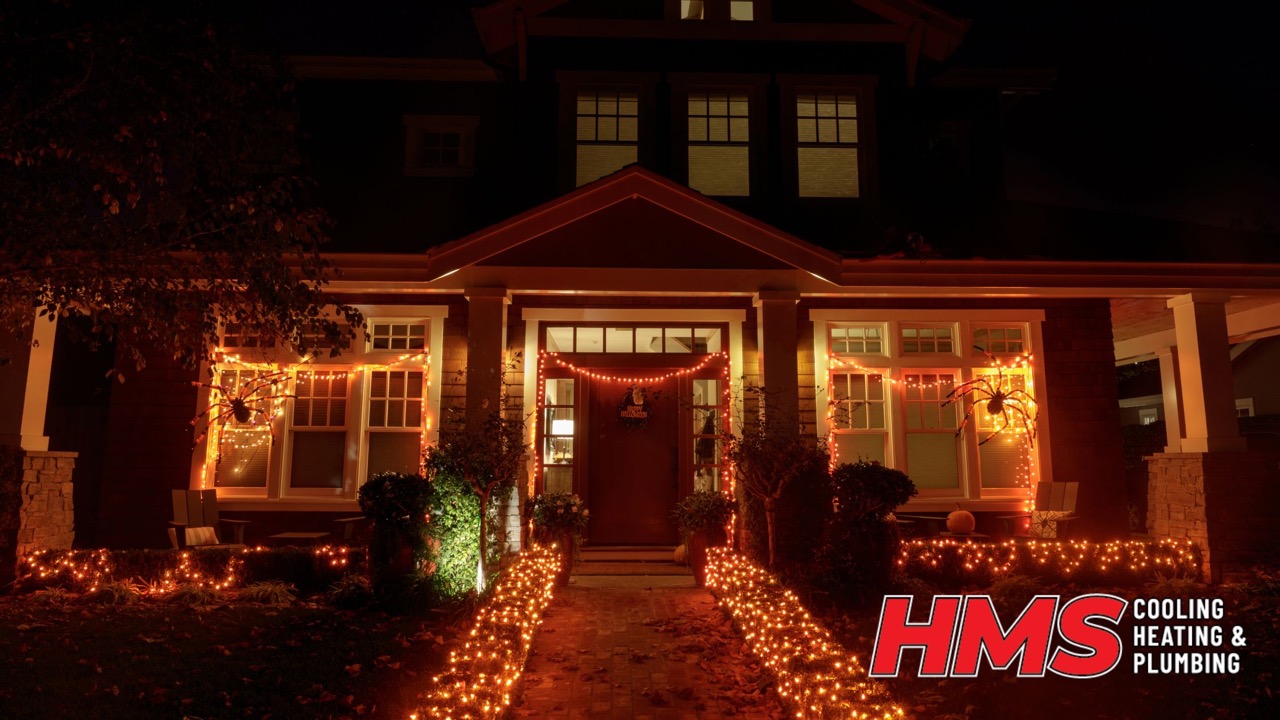
Halloween decorations are supposed to flash, pulse, and create a few harmless chills. The lights inside your home should not join the show without an invitation. A lamp that blinks, a kitchen that dims when equipment starts, or several rooms that brighten and fade can be your electrical system’s way of signaling a problem.
The pattern is often more useful than the flicker itself. One troublesome bulb points in a different direction than lights throughout the house changing whenever the well pump, heating system, or garage equipment turns on. For homeowners experiencing flickering lights in Newcastle, OK, or nearby communities, noting where and when the change happens can help determine the safest next step.
Some causes are simple. Others involve circuits, connections, panels, or incoming power and should be evaluated professionally. Here is how to follow the clues without turning your home into a do-it-yourself electrical mystery.
Start With the Location of the Flickering Lights
First, identify how much of the home is affected. Is the problem limited to one lamp, every fixture in a room, several rooms, or the entire house? Do the lights on one side of the home change together? Does the flicker seem connected to the same switch or breaker?
This quick map gives an electrician useful information:
Do not remove a panel cover or open a hardwired fixture to investigate. These areas may remain hazardous even when part of the system is switched off.
When only one lamp flickers, switch it off and allow the bulb to cool. Check that the bulb is the correct type for the fixture and is seated properly. If it is damaged or near the end of its life, replace it with a compatible bulb.
LED lighting deserves special attention. Some LED bulbs flicker when paired with an older dimmer or a dimmer that is not designed for that bulb. They may also pulse at low settings or remain faintly illuminated after the switch is turned off.
If a compatible replacement still flickers in the same location, stop treating the bulb as the only suspect. The socket, fixture, switch, dimmer, or wiring connection may need service. Discoloration, heat, buzzing, or a burning odor are reasons to stop using the fixture and arrange an electrical evaluation.
Homes around Newcastle, Blanchard, Tuttle, Mustang, Yukon, and Norman can have different electrical demands. A home may rely on a well pump, electric water heater, heat pump, shop equipment, or several large appliances. Motors and compressors can draw additional current when they start.
A very slight and brief change may occur in some homes, but a deep dim, repeated pulsing, or a problem that is becoming more noticeable deserves attention. Write down exactly what starts when the lighting changes. The trigger may be:
The cause could involve the equipment, the circuit serving it, a shared connection, or the home’s electrical capacity. HMS can evaluate electrical concerns and help determine whether repair, load changes, or another solution is appropriate. Learn more about HMS electrical services.
October displays add cords, lights, projectors, inflatables, speakers, and moving props to circuits that may already serve garages, outdoor receptacles, or interior rooms. When several items share one outlet or extension cord, the total demand can lead to dimming or a tripped breaker.
Use decorations only as directed by the manufacturer. Choose outdoor-rated lights and cords for exterior use, keep connections away from water, and avoid running cords through doors or windows where they can be crushed. Never connect power strips or extension cords in a chain to create more outlets.
If a breaker trips, disconnect the added equipment before resetting it. A breaker that trips again is not being difficult; it is responding to a condition that needs to be understood. Do not repeatedly reset it or install a higher-rated breaker. HMS offers circuit breaker and electrical repair services when a circuit will not operate normally.
Lights that change together across multiple rooms are less likely to be caused by one bulb. A loose or damaged connection can interrupt power and create heat at a switch, receptacle, junction, panel, meter, or service connection.
Pay attention to symptoms that happen with the flicker. Buzzing, crackling, warm wall plates, a hot-plastic smell, scorch marks, partial power loss, or repeated breaker trips raise the level of concern. Stop using affected equipment when it is safe to do so and contact a professional.
If neighboring homes are experiencing the same changes, the electric utility may be involved. If the problem appears limited to your property, the home’s electrical system should be inspected. Wind and storms can also affect outdoor service equipment, so never approach a damaged line or meter.
Many homes have changed over time. A garage may become a workshop, a room may be added, or new appliances may be connected to circuits designed for an earlier level of demand. Previous repairs and additions are not always visible from the living space.
Flickering does not automatically mean a home needs to be rewired. It does mean that repeated symptoms should be traced to their source. An electrician can inspect accessible wiring and connections, measure electrical conditions, and explain whether the concern is localized or part of a larger system issue.
Homeowners who want a broader view of their system can review HMS electrical inspections and specialized services.
Seek prompt help when flickering lights occur with:
Call emergency services when there is fire, smoke, or immediate danger. Stay away from downed lines and do not enter standing water to reach a panel or appliance.
Electrical problems are not always active when the technician arrives. A few observations can make an intermittent issue easier to discuss:
Do not repeatedly recreate a condition that caused heat, odor, sparks, or breaker trips. Your notes should support a safe diagnosis, not put the home under additional stress.
One loose bulb may be a simple fix. Repeated dimming tied to large equipment, multiple rooms flickering together, or any sign of heat or damaged wiring calls for a closer look. The sooner the pattern is evaluated, the sooner you can understand whether the problem belongs to a fixture, circuit, appliance, panel, or utility connection.
HMS Cooling, Heating & Plumbing provides residential electrical service for Newcastle, Blanchard, Tuttle, Mustang, Yukon, Norman, and surrounding communities. If flickering lights in your Newcastle, OK, home keep returning, call (405) 392-5413 or request an electrical service appointment. Do not let an unplanned electrical fright follow your family past Halloween. make it right. Don’t stress, call HMS.
Motors draw additional current when starting. A slight, brief change can occur in some homes, but deep or repeated dimming may involve the pump, its circuit, a loose connection, or available electrical capacity. An electrician can evaluate the pattern safely.
Yes. Several decorations sharing a circuit can raise the total electrical load. Damaged cords or equipment can also cause a fault. Disconnect the added items, and do not repeatedly reset a breaker that continues to trip.
No. A loose bulb or an incompatible dimmer can cause an LED to flicker. However, flickering across several fixtures or flickering paired with heat, odor, buzzing, discoloration, or breaker trips needs professional attention.
Call when the problem affects several lights, returns after a compatible bulb is installed, follows equipment startup, or comes with other electrical warning signs. Fire, smoke, active arcing, or immediate danger requires emergency assistance.

