
CALL US: (405) 392-5413
Address: 514 N. Main St, Newcastle, OK
Email: office@hmscomfort.com
Email: office@hmscomfort.com
Oklahoma weather does not always ease gently into winter. One week can bring warm afternoons, and the next cold front can send everyone to the thermostat at once. That first real test is a poor time to discover that the furnace will not ignite, the heat pump is struggling, or one end of the house never warms up.
Scheduling a heating tune-up in Newcastle, OK, during the fall gives homeowners time to check the system before it carries a full winter workload. It also creates room to consider maintenance or repair recommendations without making every decision during a freezing night.
The purpose is not to promise a breakdown-free season. No inspection can predict every future failure. A professional tune-up provides a clearer picture of how the system is operating today and whether there are warning signs worth addressing before colder weather settles over Newcastle, Blanchard, Tuttle, Mustang, Yukon, Norman, and nearby communities.
A heating system may sit mostly idle for months. During that time, dust collects, filters become restricted, electrical components age, and an existing weak part may continue to deteriorate. The system can appear fine during a short thermostat test but struggle when it must run for hours.
The first major cold front also creates a rush of service calls throughout the area. Homeowners who schedule earlier have more time to understand the system’s condition and make a plan if additional work is recommended.
Fall maintenance is especially useful if the system was noisy last winter, ran constantly, left rooms cold, displayed an error code, or caused higher utility bills without an obvious change in use.
Before the appointment, homeowners can perform a simple observation test. Set the thermostat to heat and raise the setting a few degrees. Listen for the system to start, confirm that air begins moving from the registers, and notice whether the home starts warming normally.
During the first cycle, a brief dusty smell may occur as settled dust warms. Shut the system down and seek help if you smell gas, burning plastic, or a strong electrical odor. Smoke, flames, active sparking, or a carbon monoxide alarm requires immediate action and emergency assistance.
Do not remove equipment panels or bypass safety controls. The goal is to observe the system, not diagnose or repair it yourself.
Small details help a technician understand how the equipment behaves in the home. Write down symptoms instead of waiting to remember them during the visit:
Also mention remodeling, new insulation, closed-off rooms, recent ductwork, or a major appliance change. Comfort problems do not always begin and end at the furnace cabinet.
Gas furnaces depend on a controlled sequence of ignition, combustion, heat transfer, airflow, and venting. During seasonal maintenance, a technician may operate the system and inspect accessible burners, ignition parts, flame-sensing components, vent connections, electrical parts, blower operation, and safety controls as appropriate for the equipment.
The technician may also look for signs of overheating, abnormal combustion, or damage that warrants additional evaluation. Some components and areas are not fully visible during routine maintenance, so homeowners should expect an explanation of any limitation or recommended follow-up.
Carbon monoxide alarms are an important layer of home protection, but they do not replace professional equipment service. Test alarms according to the manufacturer’s instructions and replace them at the end of their listed service life.
HMS provides heating services for furnaces and heat pumps throughout the Tri-City area and surrounding communities.
Heat pumps work differently from gas furnaces. They move heat and use both indoor and outdoor components during the heating season. Their maintenance needs may include airflow, thermostat operation, electrical parts, coils, refrigerant-related performance, outdoor-unit condition, defrost operation, and auxiliary heat as appropriate.
Some frost on an outdoor coil can be normal, and the system may periodically enter a defrost cycle. A unit that remains encased in ice, never completes defrost, runs constantly without maintaining temperature, or relies heavily on auxiliary heat should be evaluated.
Keep leaves, grass, and stored items away from the outdoor unit, but do not chip ice from the coil or pour hot water over the equipment. These actions can damage the system.
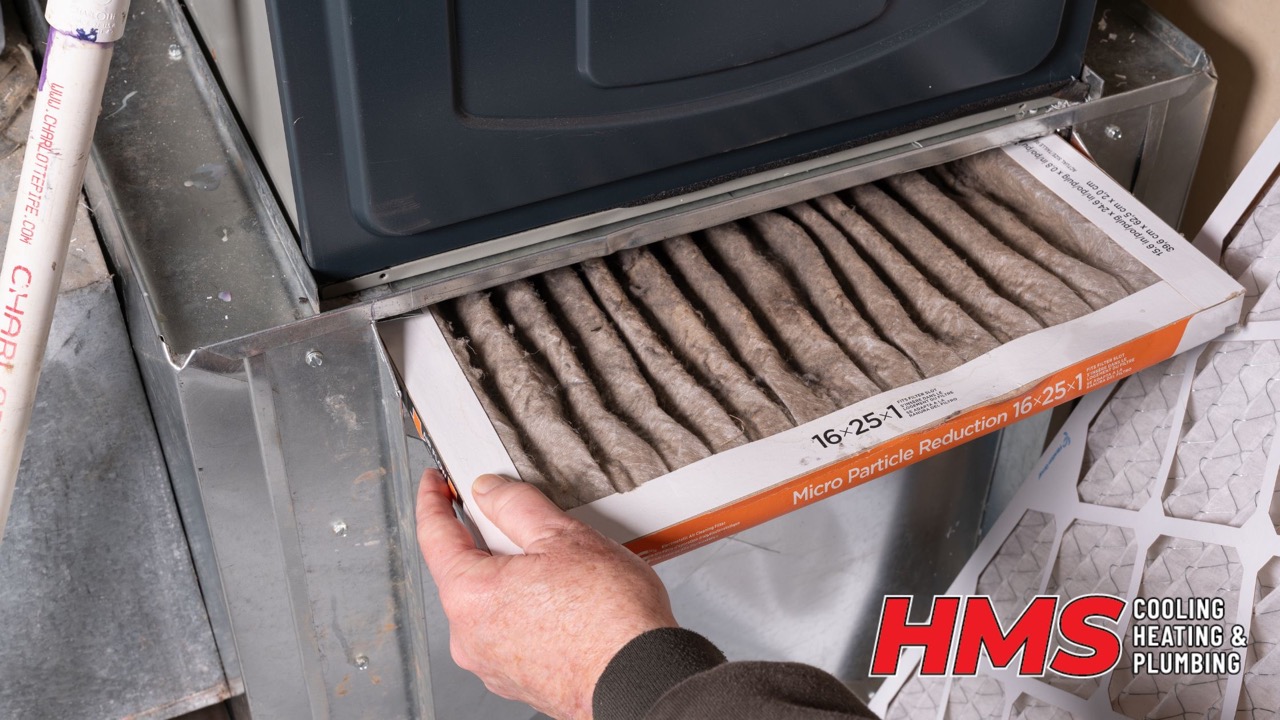
The heating equipment cannot perform properly without adequate airflow. A clogged filter, blocked return, closed register, blower issue, or duct problem can contribute to longer run times, uneven temperatures, and equipment stress.
Use the filter size and type recommended for the system. A filter with a higher rating is not automatically better if it creates too much resistance for the equipment. Check filters regularly, especially in homes with pets, renovation dust, or frequent system use.
Keep supply registers open and return grilles clear of furniture, rugs, and stored items. If one room remains cold even with an open register, tell the technician rather than trying to solve the problem by closing vents throughout the rest of the house.
The HMS service area includes established neighborhoods, rural properties, newer subdivisions, workshops, additions, and homes that have changed considerably over time. A system selected for the original floor plan may now serve finished space, a converted garage, or rooms with different insulation and airflow needs.
Homeowners may also use backup generators, well equipment, electric auxiliary heat, or shop circuits that add to the property’s overall electrical demand. These features do not automatically create a heating problem, but they are useful context when a system trips a breaker, struggles during peak use, or behaves differently after improvements to the home.
Tell the technician what has changed since the last maintenance visit. Good service considers the equipment and how the household actually uses it.
A tune-up is planned maintenance. It generally includes operating the system, checking applicable components, completing routine maintenance tasks, and identifying visible or measurable concerns. It does not include every possible repair.
If a failed component, unsafe condition, or performance problem is discovered, additional diagnosis or repair may be recommended. Ask the technician:
Clear answers help homeowners make decisions based on the condition of their own system rather than a generic checklist.
A little preparation helps the visit move smoothly:
Homeowners who prefer planned seasonal care can review the HMS Comfort Keeper maintenance package.
A fall tune-up is a practical way to learn whether your heating system is ready for regular use. It gives you time to ask questions, understand recommendations, and address concerns before a cold front turns a minor problem into an urgent comfort issue.
HMS Cooling, Heating & Plumbing serves homeowners in Newcastle, Blanchard, Tuttle, Mustang, Yukon, Norman, Moore, Goldsby, and surrounding areas. To schedule a heating tune-up in Newcastle, OK, call (405) 392-5413 or request a heating service appointment online. Test your heat before Oklahoma weather decides to test it for you.
Early to mid-fall is a practical time because the equipment can be evaluated before sustained cold weather and peak service demand. Homeowners also have more time to consider any repair recommendations.
You may run a short observation cycle if there are no known hazards. Stop and seek help if you smell gas or burning plastic, see smoke or sparks, hear alarming noises, or have a carbon monoxide alarm. Do not open panels or bypass controls.
Yes. A heat pump relies on indoor and outdoor equipment, airflow, electrical parts, controls, and defrost operation. Maintenance should match the specific equipment and manufacturer guidance.
No. Maintenance cannot guarantee that a component will not fail later. It can identify current operating concerns and provide a clearer picture of the system before it faces a heavier winter workload.

